
Hardwood, filler, and installation — the working notes
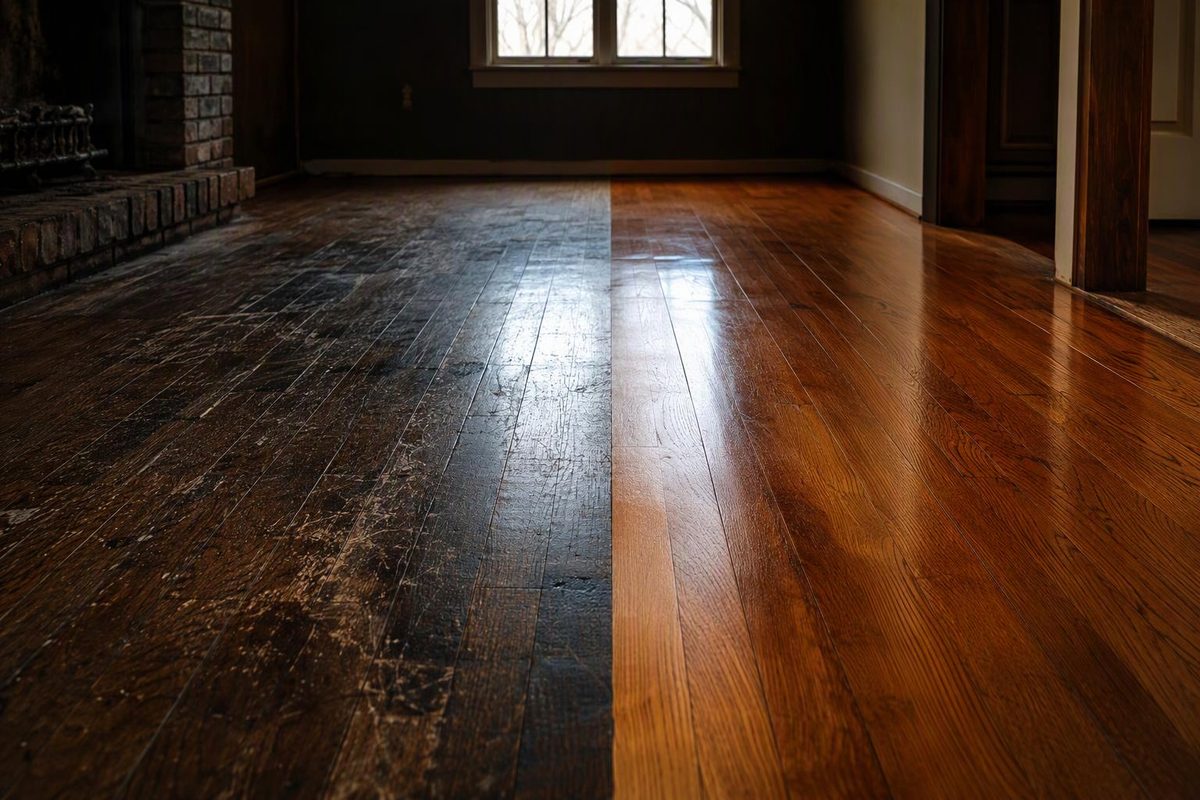
Refinish Hardwood Floors Before and After: Real Results
See which scratches, stains, color shifts, and finish defects refinishing can change—and which moisture, movement, or structural problems it cannot fix.
By Dev Okonjo · 2026-09-25 · 6 min readLatest
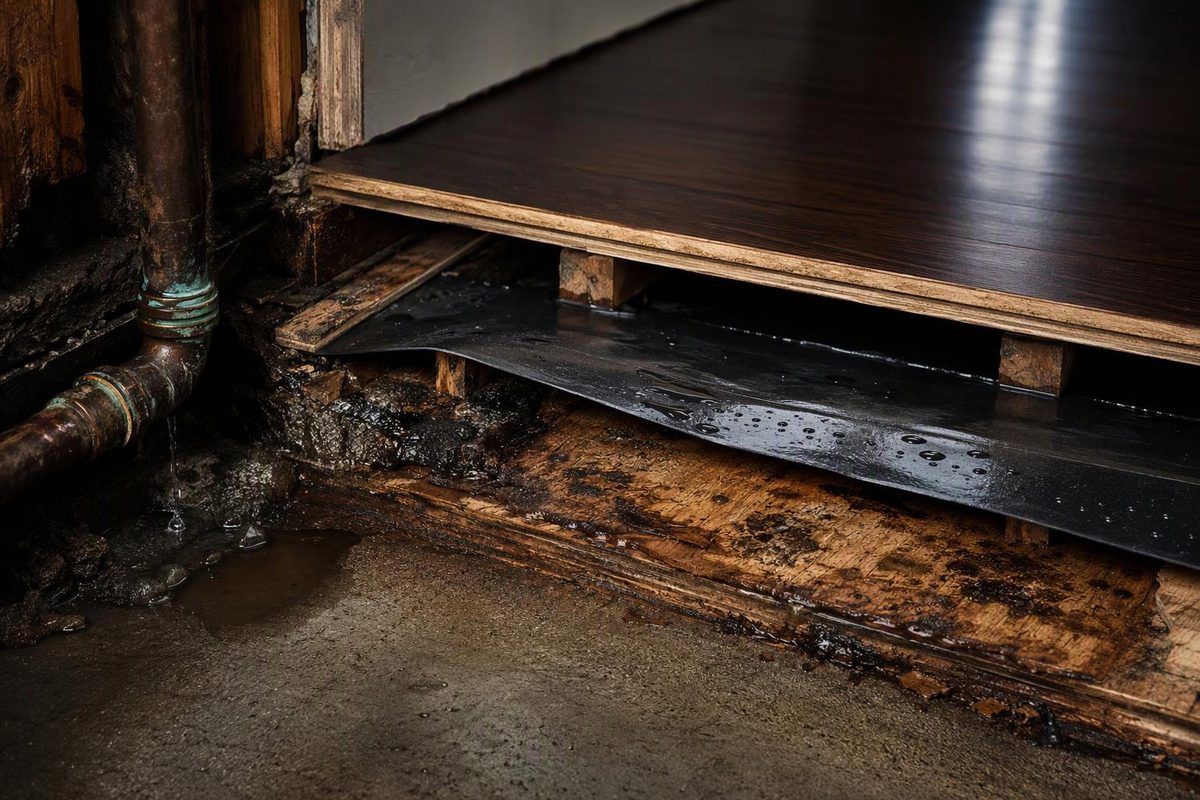
Subfloor Waterproofing: Choose the Right Assembly
Protect a wood subfloor by tracing the water source, repairing damage, and matching the membrane or moisture-control detail to the finished floor.
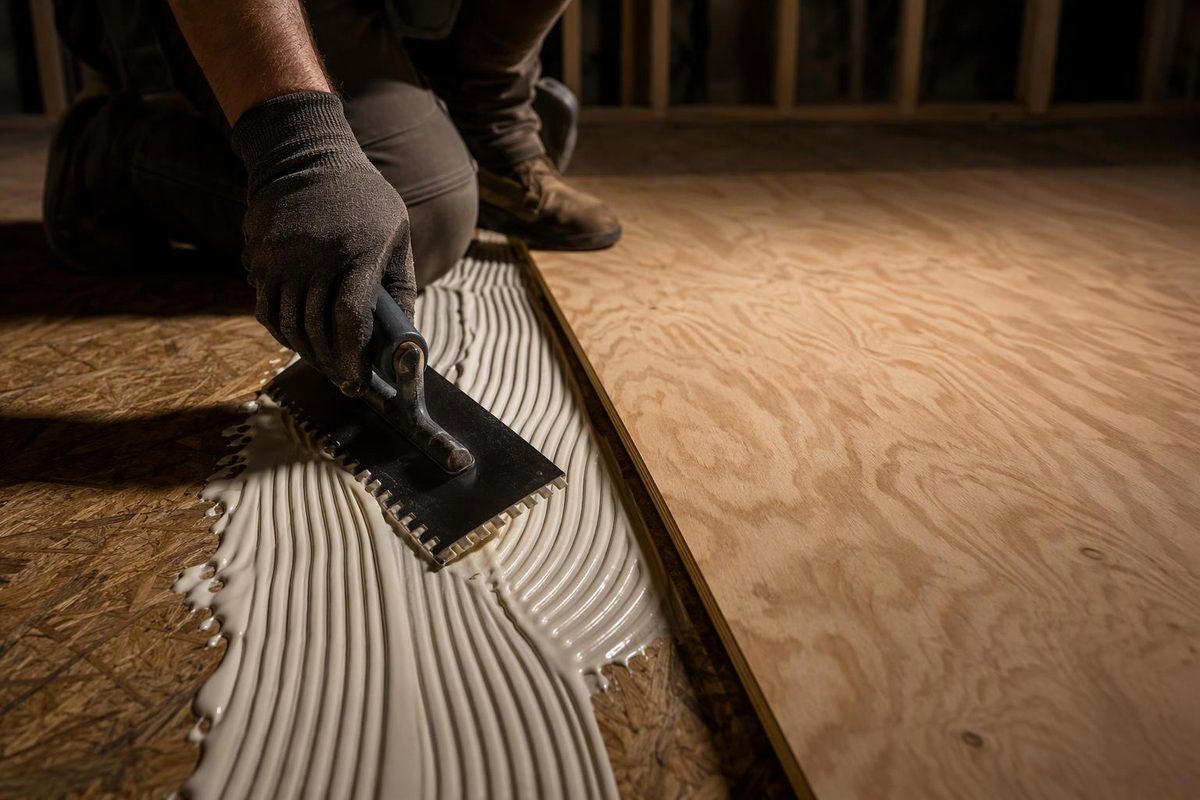
Construction Adhesive for Subfloor: Selection and Use
Learn which subfloor adhesive markings matter, how site conditions change the choice, and why correct gaps and fasteners still control the assembly.
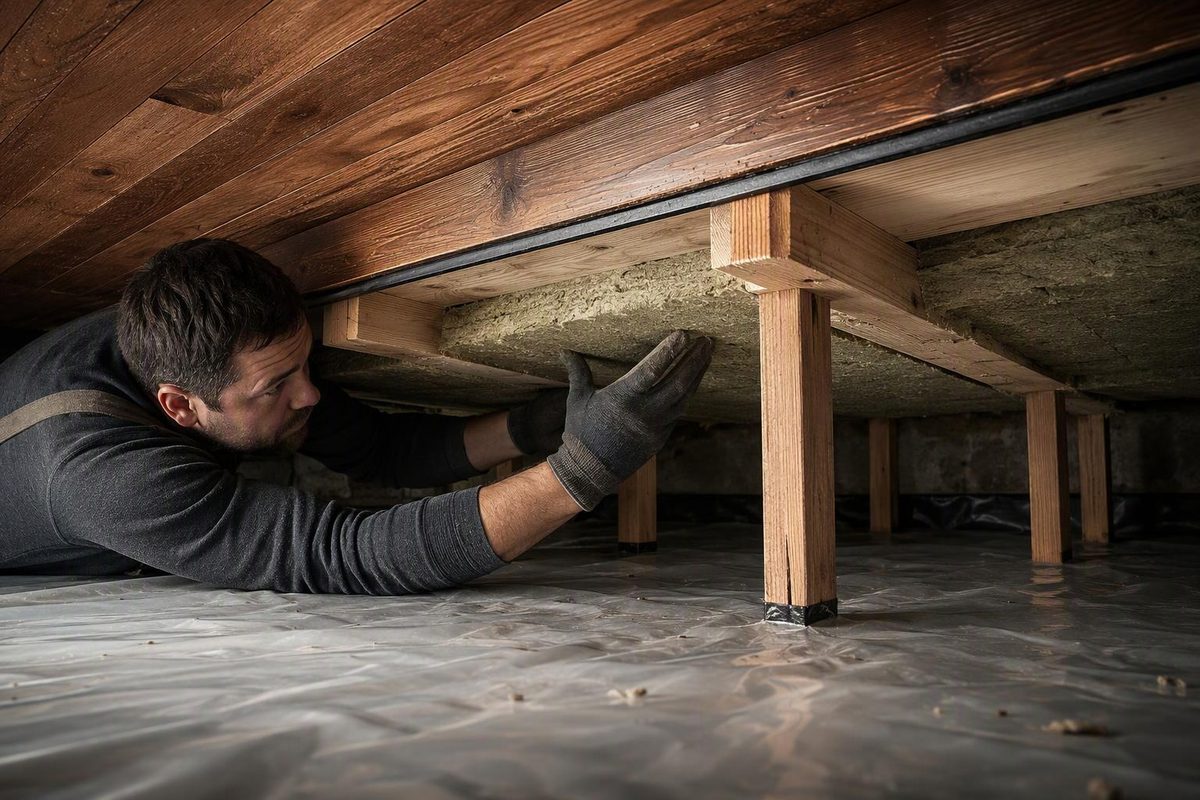
How to Insulate a Subfloor Without Trapping Moisture
Choose the thermal boundary, fix moisture first, then air-seal and insulate below a subfloor without gaps, compression or trapped dampness.
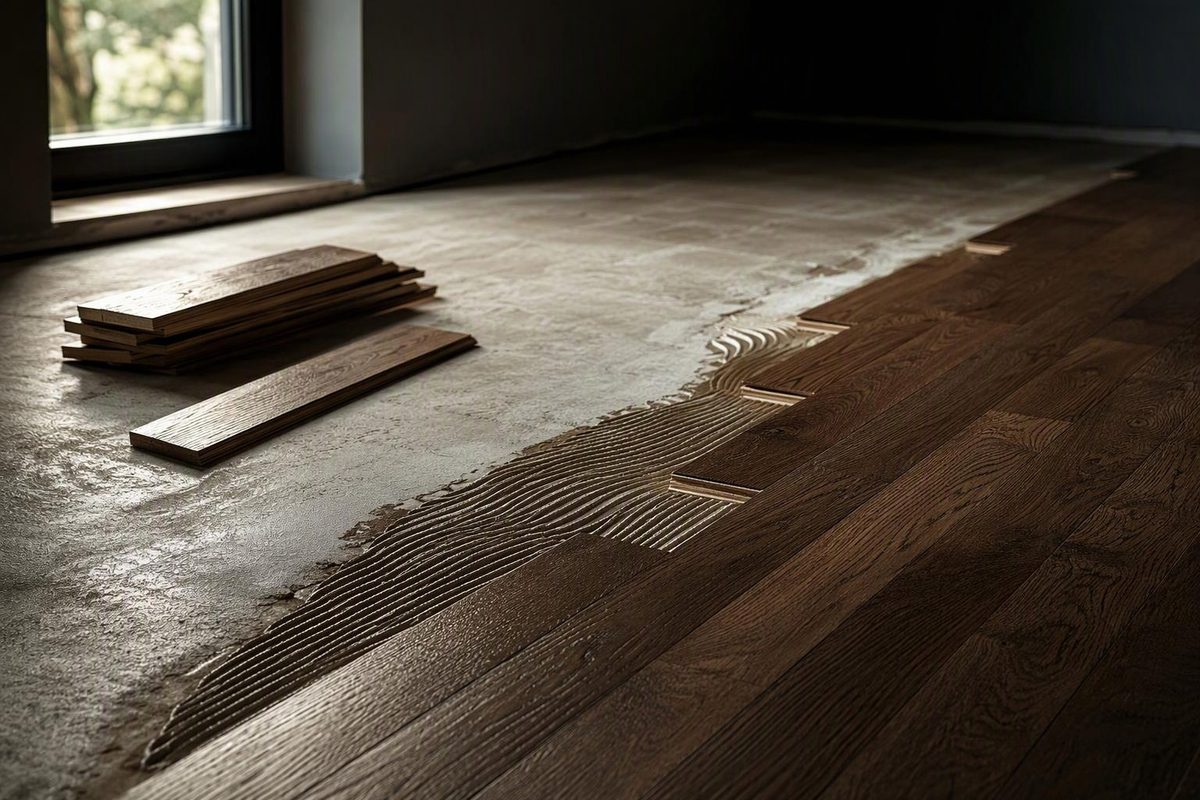
Engineered Hardwood Installation: Choose the Method, Then Prepare the Floor
Plan engineered hardwood installation around product approval, moisture, subfloor flatness, layout, expansion space and the correct attachment method.
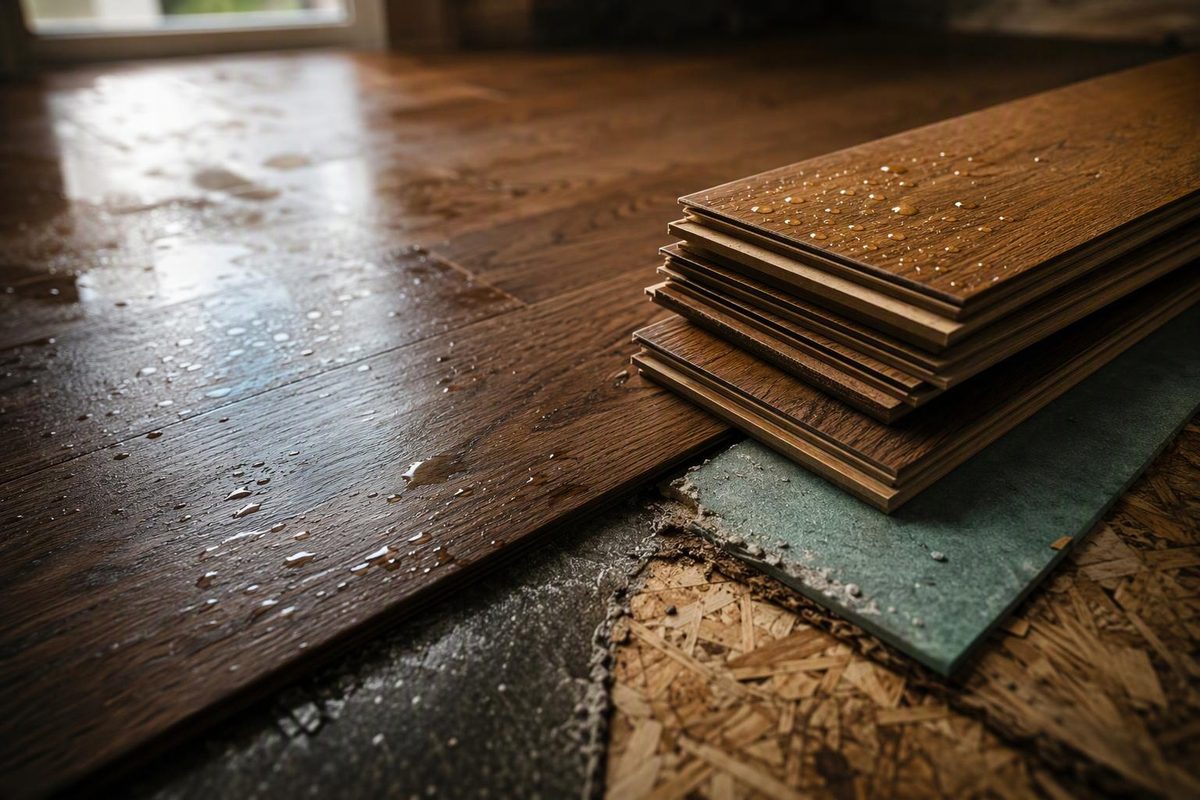
Water-Resistant Engineered Hardwood: What to Check
See how water-resistant engineered hardwood differs from waterproof flooring, then check room approval, subfloor moisture, installation, and warranty.
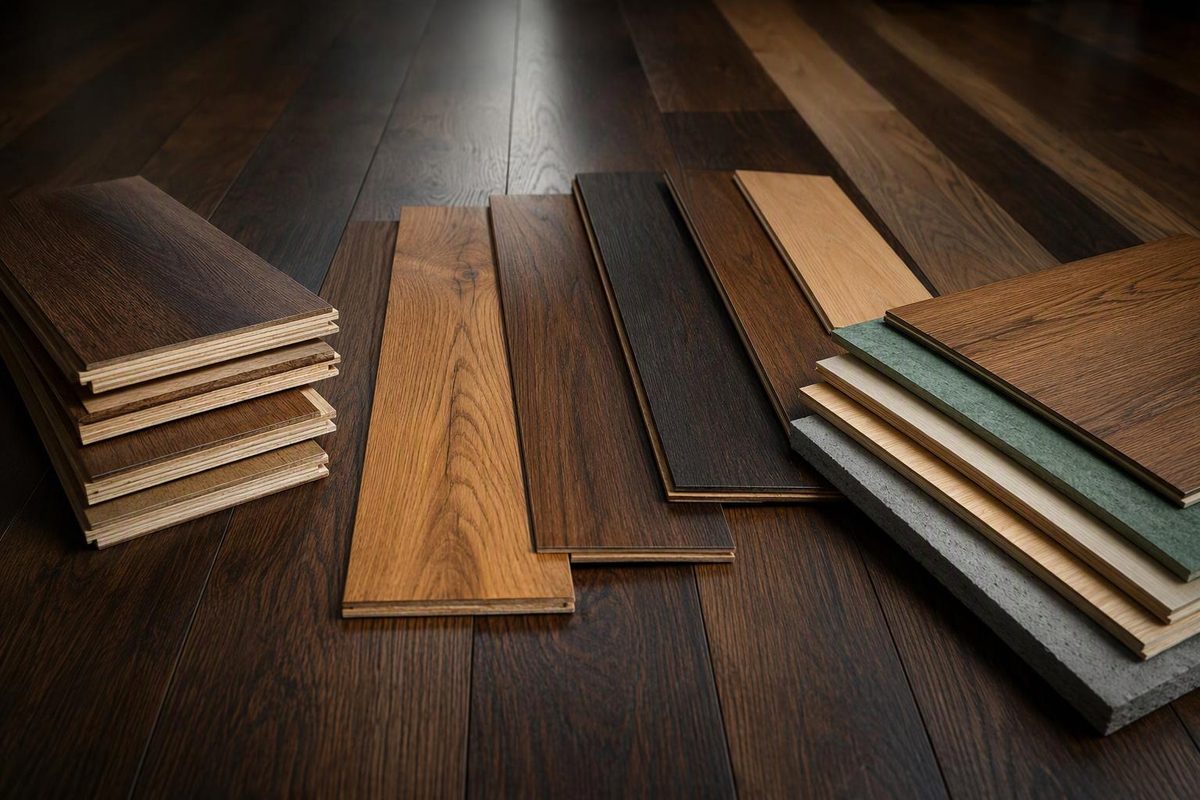
Engineered Hardwood Floor: How to Choose the Right Product
Compare engineered hardwood by wear layer, finish, installation method and subfloor demands before choosing a floor for your home.
More articles
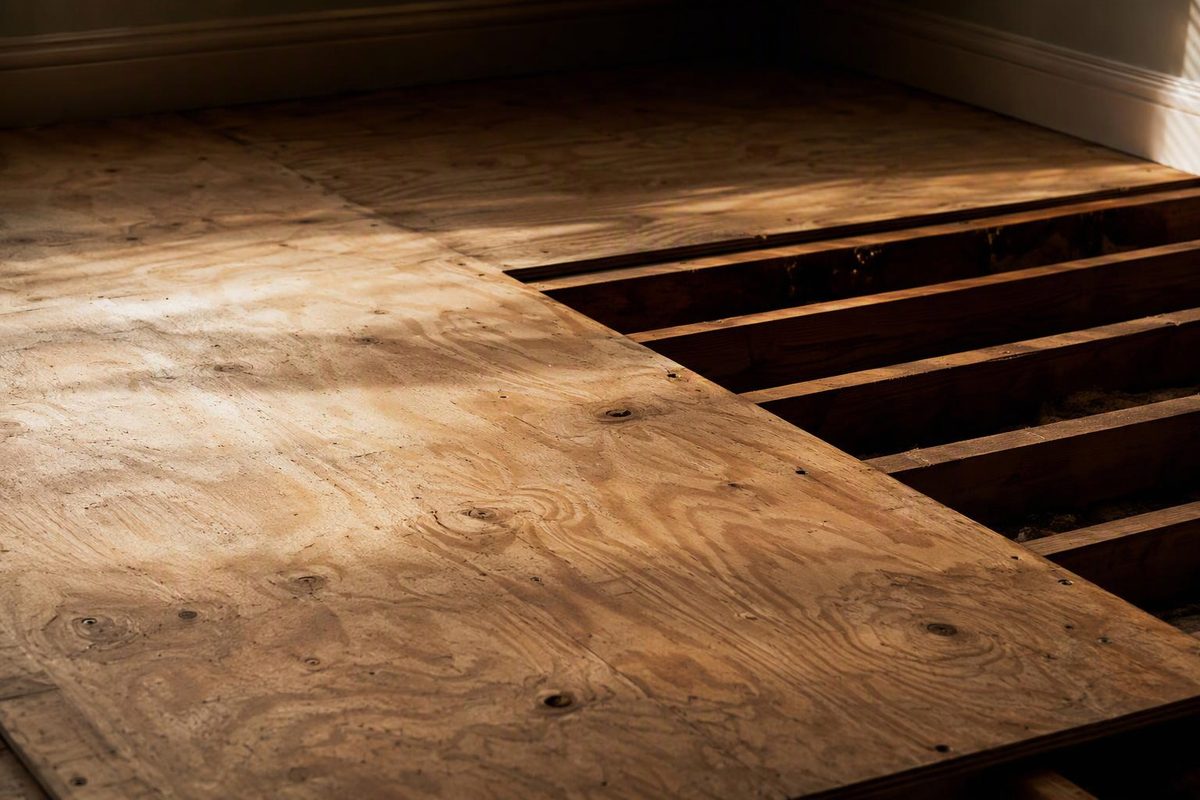
Plywood Subfloor: How to Choose, Install, and Inspect It
Learn how to read a plywood subfloor stamp, choose an assembly, plan installation, and spot moisture or structural problems before covering it.
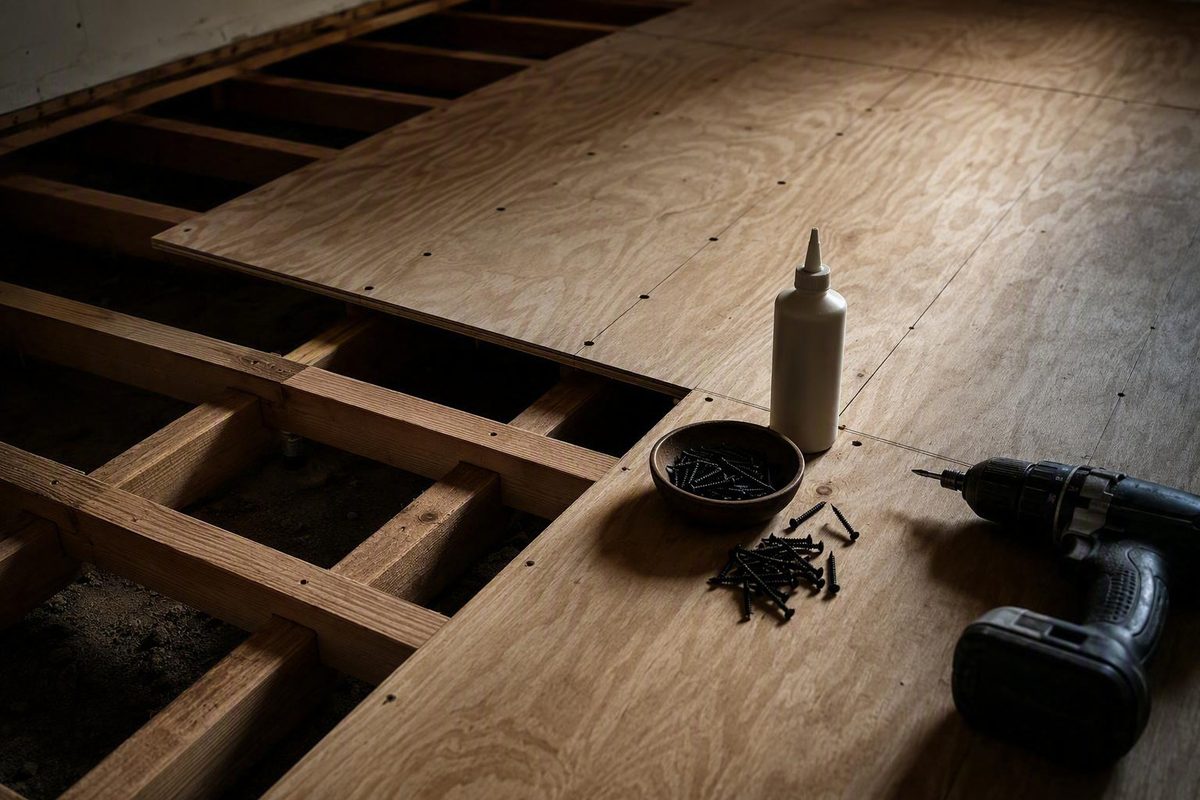
Subfloor Installation Checklist: Plan the Assembly Before Fastening
Plan a wood-panel subfloor installation around joist spacing, panel ratings, edge support, gaps, adhesive and fasteners—not one generic recipe.
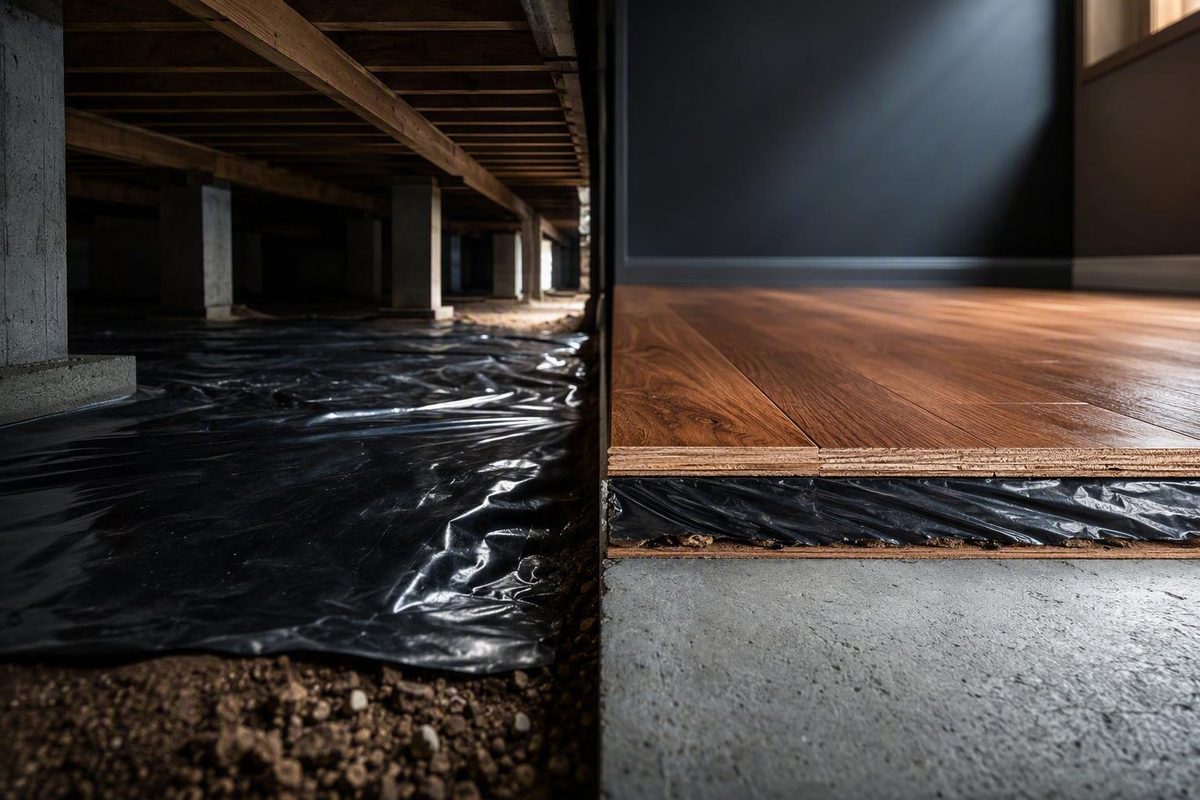
Vapor Barrier for a Subfloor: Where It Actually Goes
Learn whether vapor control belongs over crawl-space soil, above concrete, or beneath finish flooring—and when plastic can create the wrong assembly.
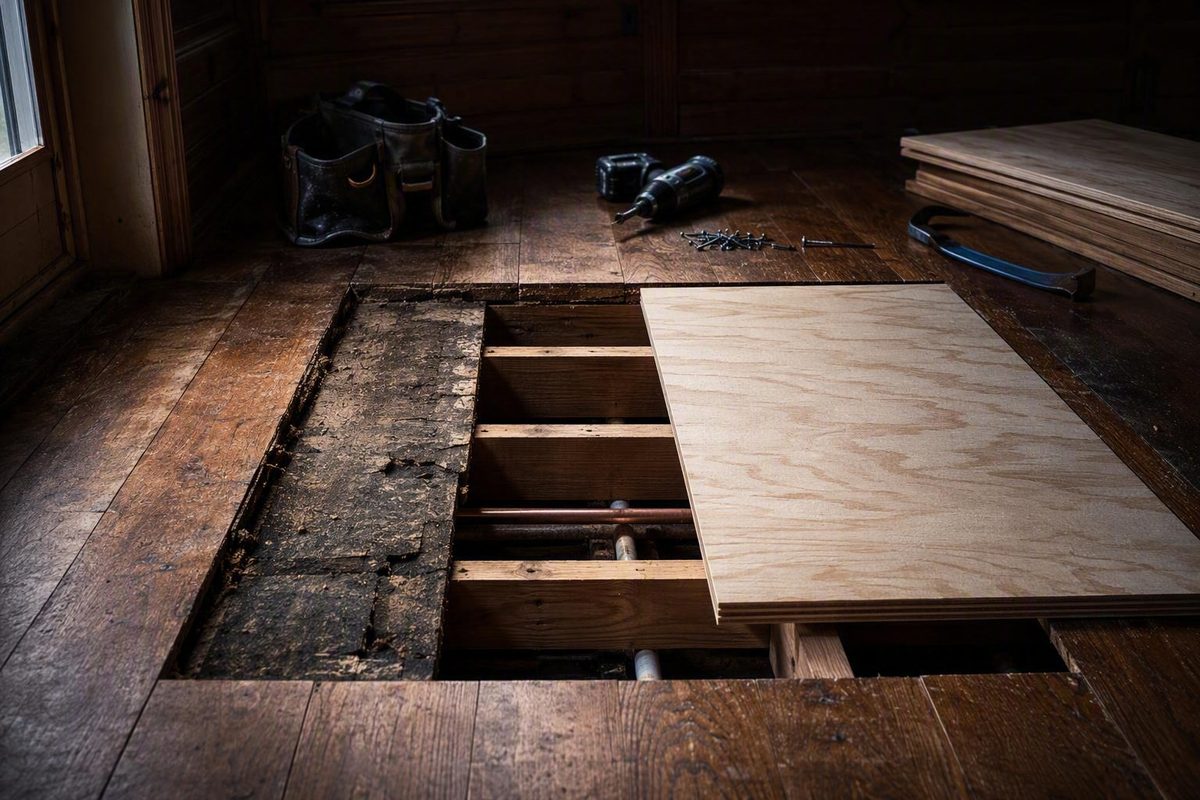
How to Replace a Damaged Subfloor Section
Decide whether to dry or remove damage, locate framing and utilities, support every patch edge, then match, space and fasten the new panel.
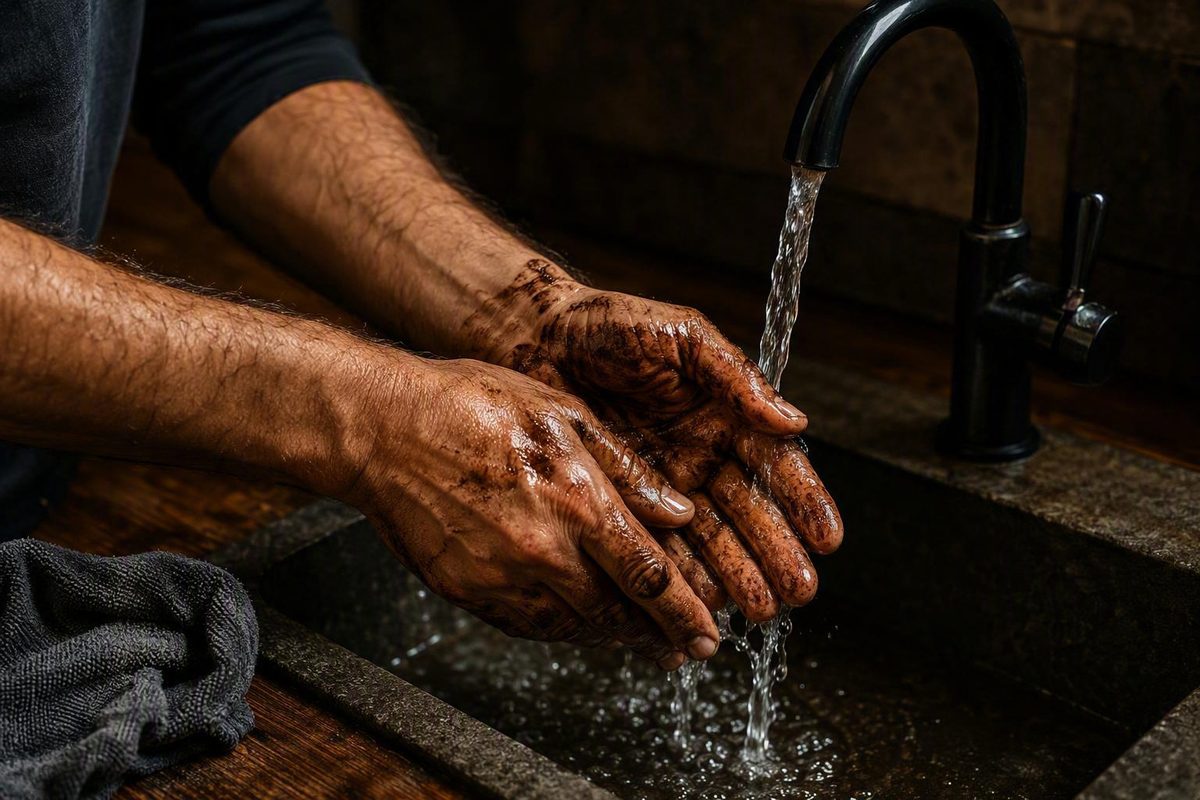
How to Get Wood Stain Off Skin: Safe Steps
Rinse with room-temperature running water for at least 15 minutes, wash gently with mild soap, then check the label. Avoid harsh solvents and scrubbing.
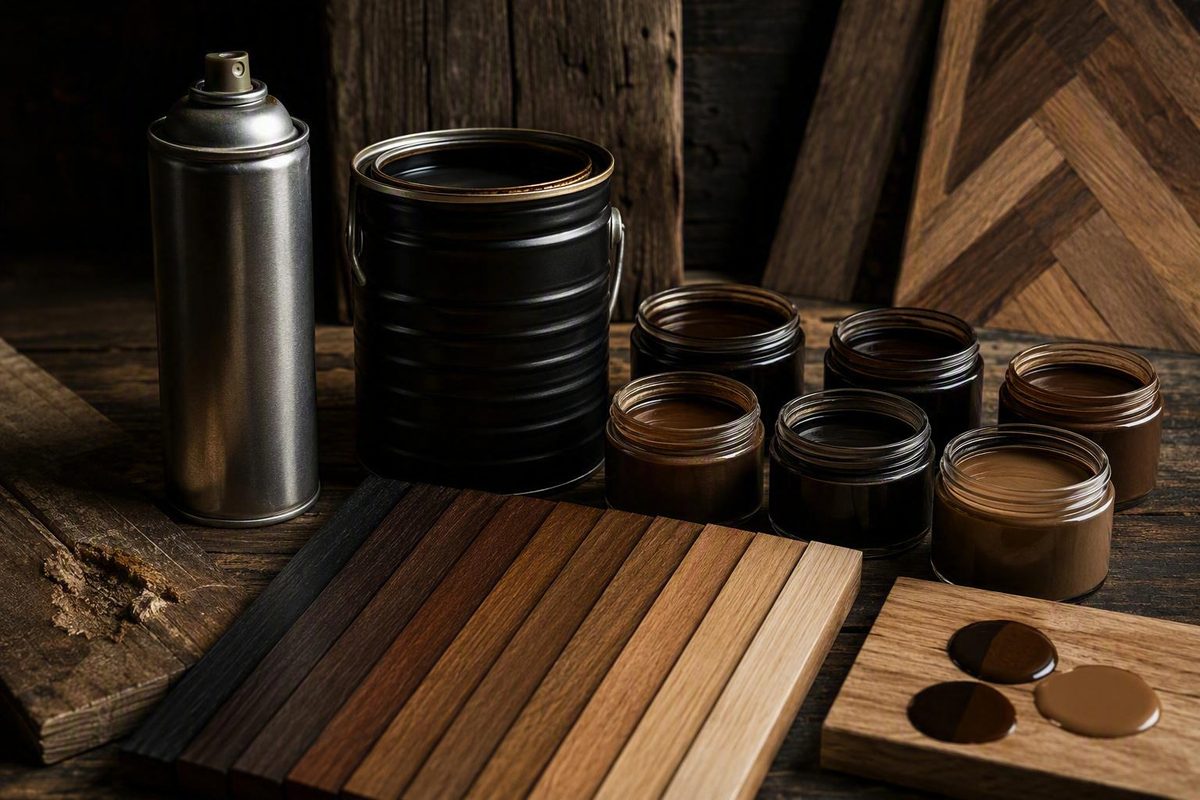
Mohawk Stain Product Lines, Colors and Uses
Compare M145 aerosol, M545 bulk stain, and Designer Series by format, application, colors, sizes, SKUs, dry-time claims, and topcoat compatibility.
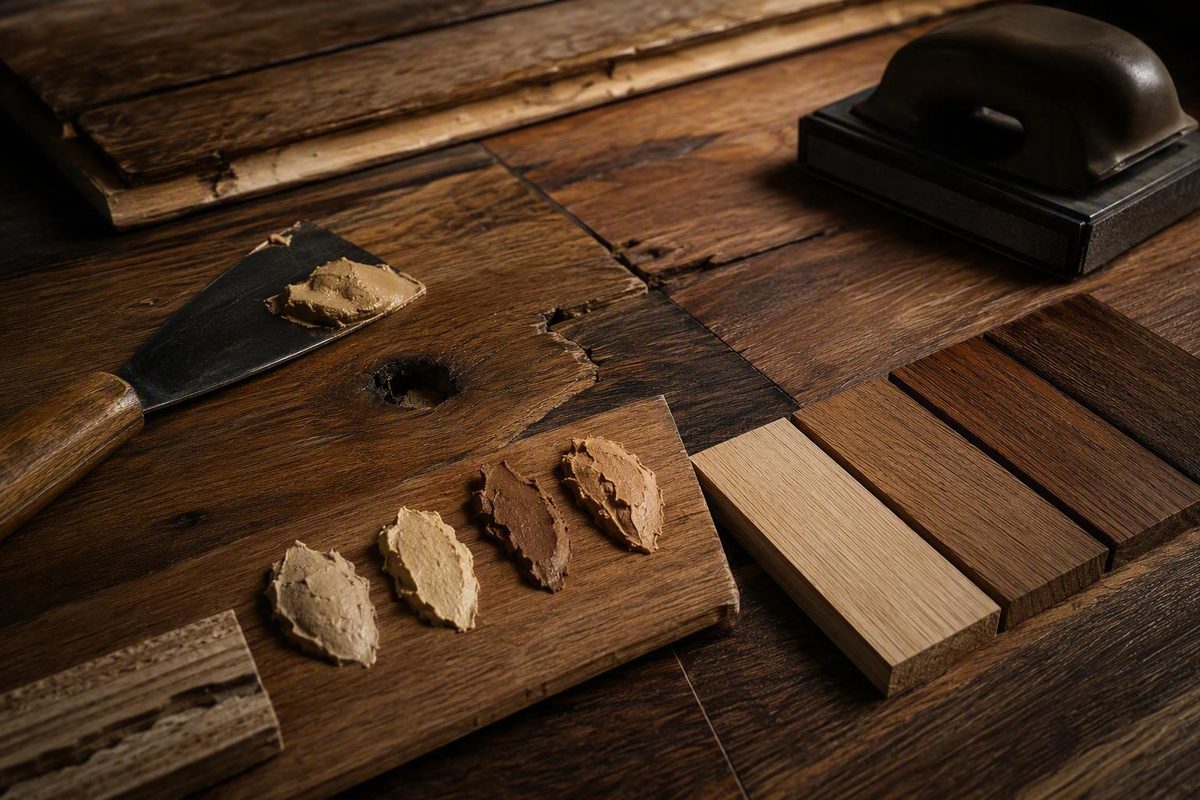
Water-Based Wood Filler: How to Choose and Use
Match the formula to the defect, substrate and finish, then prepare, layer when permitted, dry fully, sand flush and test the color first.
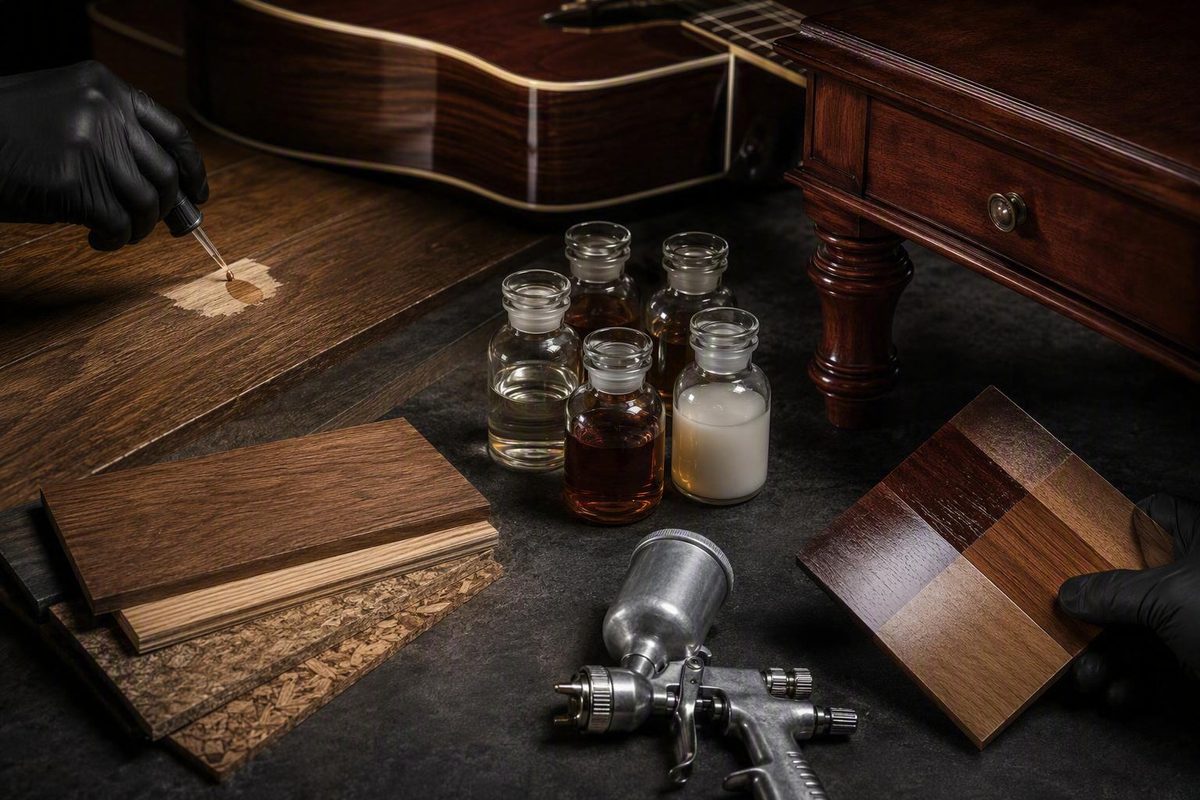
Mohawk Lacquer Types: Match the Product to the Job
Maps spot repair, instrument, furniture and production work to the relevant family, then shows how to verify formula, sheen, SKU, PDS and SDS.
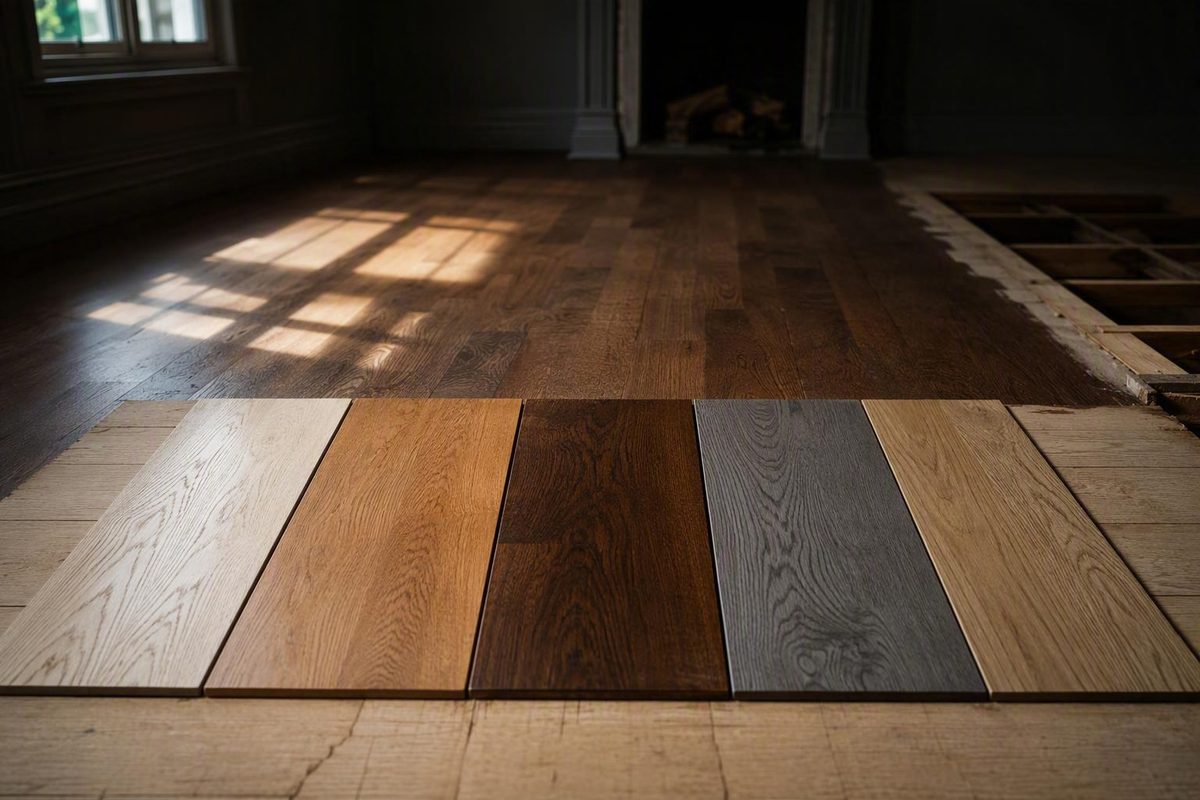
Hardwood Floor Stain Colors: How to Choose
Compare light, medium, dark, gray, and natural options by undertone, upkeep, and room light, then test finalists on the actual sanded floor.

How to Choose a Hygrometer for a Crawl Space
Handheld meters suit spot checks; wireless consoles show readings upstairs; Wi-Fi or gateway systems add graphs and remote alerts.
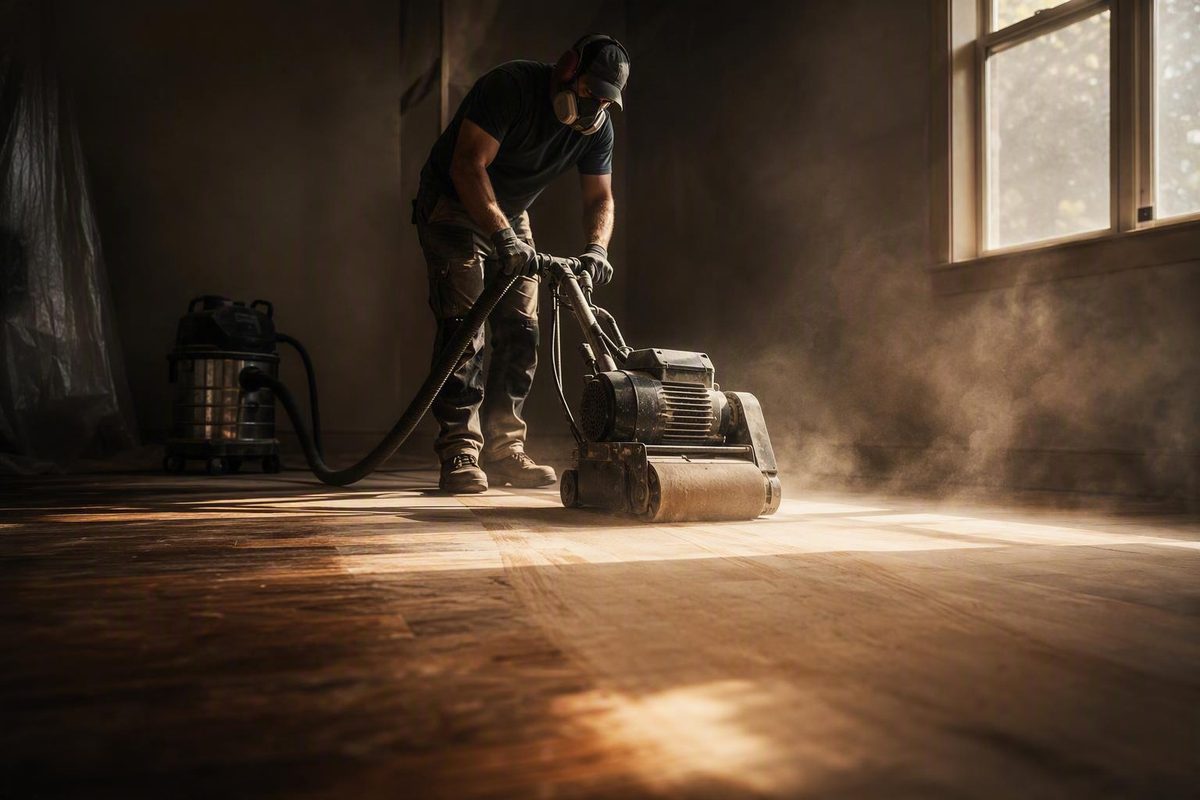
How to Sand Floors With a Drum Sander
Start each pass in motion, feather the drum down, maintain a steady pace, and lift it before stopping; includes preflight and dust-safety checks.
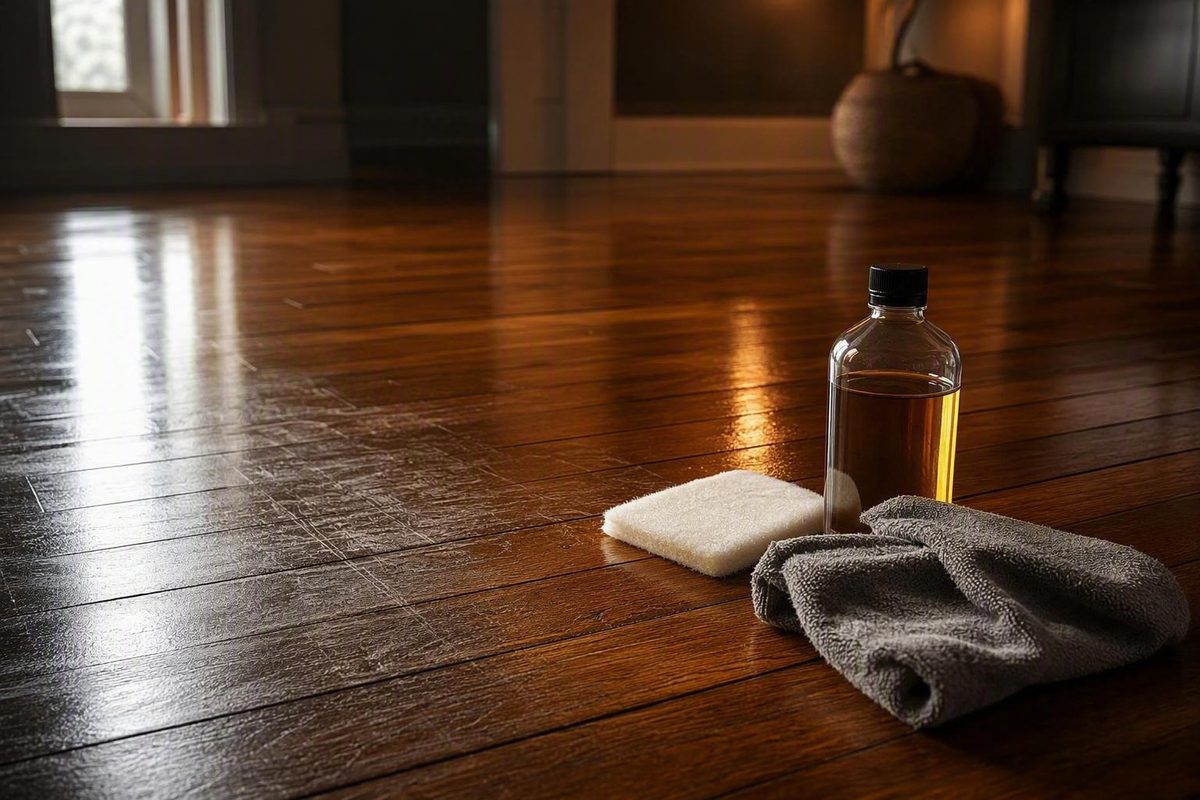
How to Refinish Hardwood Floors Without Full Sanding
For intact finishes with dullness, scuffs, or shallow scratches, a compatible reviver or maintenance recoat may restore sheen and protection.